
US–Canada Freight Is Still Massive—Here's a Simple Playbook to Reduce Border Dwell Time
BTS data shows how big transborder freight remains. Use this 3PL + customs broker playbook to cut dwell time and detention.
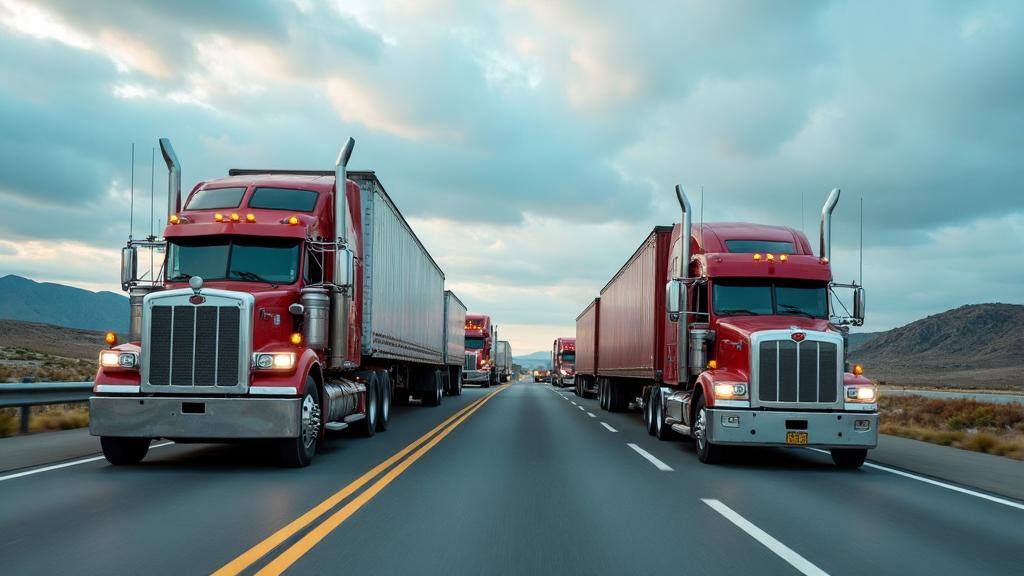
US–Canada transborder freight remains one of the largest bilateral trade flows in the world. According to BTS data, total transborder freight hit $138.4 billion in October 2025 alone, with trucks carrying $93.5 billion of that. For shippers operating in this corridor, even small efficiency gains translate to meaningful cost savings.
This playbook provides a practical, step-by-step approach to reducing border dwell time using a combination of 3PL staging and customs broker coordination.
Why Border Dwell Time Matters
Every hour a load sits at the border costs money:
- Driver detention charges add up fast
- Appointment windows at destination get missed
- Inventory planning falls apart downstream
- Customer satisfaction drops when deliveries slip
The good news: most dwell time is caused by preventable documentation and staging errors.
The Document Packet Checklist
Before any load approaches the border, ensure these documents are complete and accurate:
- Commercial Invoice — matching PO numbers, accurate values, complete descriptions
- Packing List — piece counts, weights, dimensions that match the invoice
- Certificate of Origin (COO) — required for USMCA/CUSMA preferential duty treatment
- USMCA/CUSMA Certification — proper originating criteria documented
- Power of Attorney (POA) — on file with your customs broker
- Bill of Lading — accurate consignee, shipper, and commodity descriptions
Pre-Border QA at a Toledo Warehouse
This is where a Toledo-based 3PL becomes a strategic asset. Before freight heads north to the border:
- Physical counts are verified against packing lists
- Labels are checked for accuracy (lot numbers, UPC codes, country of origin markings)
- Photos are taken of pallets/loads for documentation
- Broker packet is assembled and transmitted electronically before the truck departs
This “pre-border QA” step catches 80%+ of the errors that cause border holds.
Appointment Strategy: Schedule Smart
Don’t just ship and hope. Build your border crossing schedule around:
- Off-peak crossing windows (early morning, mid-week)
- Broker availability — confirm your broker is staffed when your load arrives
- Destination appointment alignment — work backward from delivery windows
- Weather and traffic contingencies — build buffer time into the schedule
Exception Handling: When Customs Holds Happen
Even with perfect preparation, holds happen. Here’s the protocol:
- Don’t panic — most holds are resolved within 24–48 hours
- Contact your broker immediately — they can often resolve documentation issues electronically
- Have backup staging space — if a load is pulled for inspection, you need a plan for the remaining freight
- Document everything — photos, timestamps, broker communications
The Downloadable Freight Readiness Checklist
We’ve distilled this playbook into a one-page checklist you can share with your team, carriers, and brokers. Use it before every cross-border shipment to ensure nothing gets missed.
How Toledo 3PL Solutions Fits In
Our facilities on the I-75 corridor provide the ideal staging point for US–Canada freight. We offer same-day unloading, documentation verification, load re-optimization, and dispatch scheduling that aligns with your border crossing windows. Whether you’re shipping 5 pallets or 50 truckloads, we scale to your needs without long-term commitments.
FAQ
What is border dwell time and why does it matter?
Border dwell time is the total time a shipment waits at the border for clearance. It matters because it drives up detention charges, missed appointments, and downstream inventory disruptions.
What documents are needed for US–Canada freight?
Key documents include commercial invoice, packing list, certificate of origin, USMCA/CUSMA certification, power of attorney for your customs broker, and accurate bill of lading.
How does pre-border QA reduce delays?
Pre-border QA at a Toledo warehouse catches documentation errors, count discrepancies, and labeling issues before the truck reaches the border—eliminating the most common causes of holds.
Can Toledo 3PL help with customs broker coordination?
Yes. Sam's Toledo 3PL works alongside your customs broker to assemble and verify broker packets before dispatch, ensuring documentation is complete and accurate.
Related reading
Gordie Howe Bridge ·
Gordie Howe International Bridge: What It Means for US–Canada Freight—and Why Toledo 3PL Capacity Matters
The Gordie Howe International Bridge is moving toward FY2026 opening. Here's how shippers can reduce border friction with Toledo 3PL staging.

Customs Brokerage & Tariffs ·
Tariffs, HS Codes, and USMCA/CUSMA: Why a Customs Broker Is Now a Profit Center, Not a Cost
Tariff uncertainty and rule-of-origin compliance can swing landed cost fast. Here's how brokers + 3PLs reduce risk and protect margin.
Emergency Freight ·
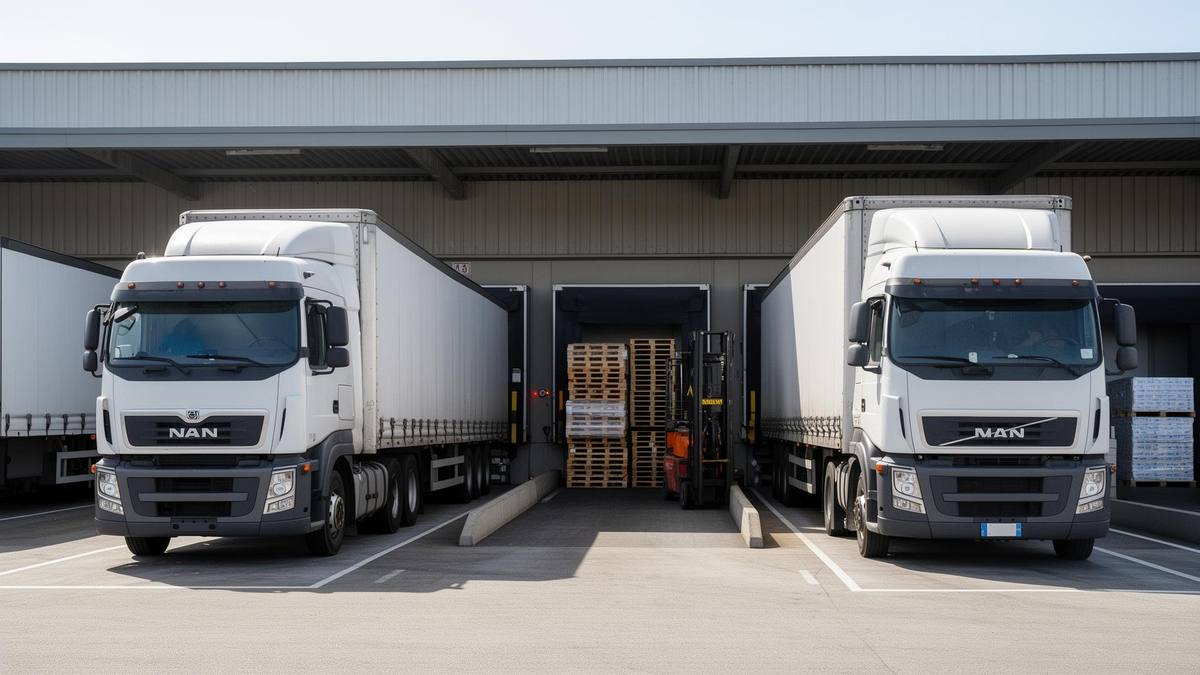
Trailer to Trailer Freight Transfers Explained: How Cross-Dock Warehouses Keep Loads Moving
Trailer-to-trailer freight transfers are one of the most common cross-dock operations. Here's how they work, when they're needed, and what to look for in a transfer facility.