
Trailer to Trailer Freight Transfers Explained: How Cross-Dock Warehouses Keep Loads Moving
Trailer-to-trailer freight transfers are one of the most common cross-dock operations. Here's how they work, when they're needed, and what to look for in a transfer facility.
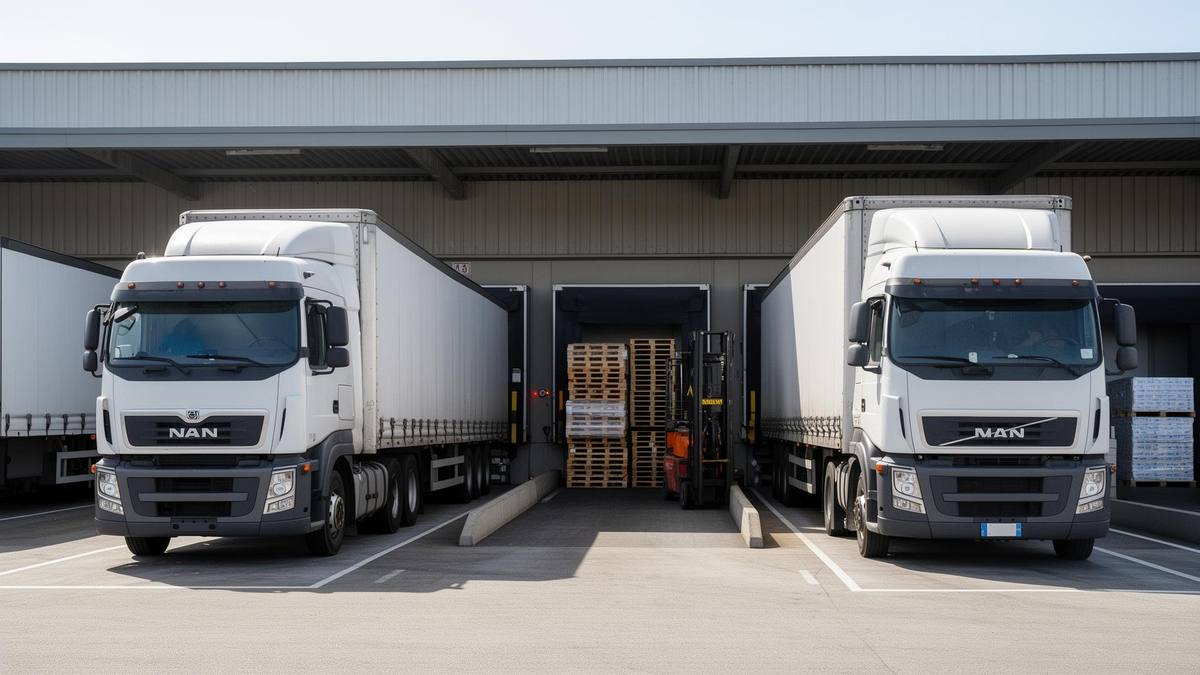
Trailer-to-trailer freight transfers are one of the most fundamental operations in freight logistics — and one of the most misunderstood. Whether it’s a driver relay, an equipment swap, or a carrier change mid-route, the process of moving freight from one trailer to another requires the right facility, equipment, and coordination to execute without damaging goods or delaying delivery.
What Is a Trailer-to-Trailer Freight Transfer?
A trailer-to-trailer transfer (also called a load transfer or transload) is the physical movement of freight from one trailer to another. This typically happens at a cross-dock warehouse or freight transfer warehouse where dock doors, forklifts, and trained labor are available.
The process is straightforward:
- Inbound trailer backs into a dock door
- Freight is unloaded — palletized goods via forklift, floor-loaded goods by hand
- Freight is inspected — count verification, damage check, photo documentation
- Outbound trailer backs into an adjacent dock door
- Freight is reloaded — same pallet configuration or restacked per instructions
- New BOL is generated — updated carrier, driver, and load information
Total turnaround for a standard 48-foot trailer: 2-4 hours depending on load type and any rework needed.
When Do Trailer-to-Trailer Transfers Happen?
Driver Relay Operations
When a long-haul load spans multiple drivers’ HOS limits, a transfer point is needed. Driver A drops the trailer (or the freight is unloaded), and Driver B picks it up. This keeps the load compliant and moving without forcing a single driver to exceed their legal driving hours.
Equipment Failures
Trailer breakdowns — flat tires, broken doors, refrigeration failures — require immediate freight transfer to functioning equipment. Without a nearby freight transfer warehouse, the load sits until repairs are completed, potentially for days.
Carrier Changes Mid-Route
When a load is re-brokered or assigned to a different carrier mid-transit, the freight needs to move from Carrier A’s equipment to Carrier B’s trailer. This is common when:
- The original carrier can’t complete the delivery
- A shipper changes routing mid-transit
- A broker finds a more cost-effective final-mile carrier
Cross-Border Transfers
Freight moving between the US and Canada sometimes requires a trailer swap at the border — Canadian carriers drop trailers and US carriers pick up, or vice versa. Toledo’s position on the I-75 corridor makes it a natural transfer point for Detroit–Windsor cross-border freight.
Damaged Load Recovery
When freight shifts in transit, pallets break, or shrink wrap fails, the load may need to be transferred to a clean trailer after restacking and rework.
What Makes a Good Transfer Facility?
Not every warehouse can handle trailer-to-trailer transfers efficiently. Look for:
- Multiple dock doors — at least 15+ to avoid queuing behind other operations
- Forklift fleet — multiple units for rapid load/unload
- Sufficient dock space — room to stage freight between trailers
- Drop yard — 10+ acres for trailer staging when drivers can’t wait
- Documentation capability — photo evidence, BOL generation, damage reports
- No-appointment access — transfers often happen on short notice
- Location on major corridors — I-75, I-80, I-90 access for Midwest operations
The Toledo Advantage for Freight Transfers
Toledo sits at the crossroads of I-75 and I-80/90, making it one of the most accessible freight transfer points in the Midwest:
- 45 minutes from Detroit — the region’s busiest freight market
- Cross-border staging — freight moving between Detroit and Canadian crossings
- Lower costs — 15-25% below Metro Detroit facility rates
- Same-day access — no appointment required for emergency transfers
- Full documentation — photos, BOLs, damage reports included
How Sam’s Toledo 3PL Handles Trailer Transfers
Our Toledo-area cross-dock network is set up for efficient trailer-to-trailer transfers:
- A network of facilities with dock-high and drive-in options
- Multiple forklift units for simultaneous load/unload operations
- Secure drop yards — park a trailer and return when ready
- Same-day turnaround — most transfers completed in 2-4 hours
- Photo documentation of freight condition before and after transfer
- BOL generation for updated carrier and routing information
- Flexible billing — per-load pricing, no long-term contracts
Whether you need a one-time emergency transfer or a regular relay point on the I-75 corridor, our Toledo freight transfer warehouse delivers speed, reliability, and documentation you can count on.
FAQ
What is a trailer-to-trailer freight transfer?
A trailer-to-trailer transfer is the physical movement of freight from one trailer to another, typically at a cross-dock or freight transfer warehouse. Common reasons include driver relays, equipment failures, carrier changes, and cross-border operations.
How long does a trailer-to-trailer transfer take?
A standard 48-foot trailer transfer typically takes 2-4 hours, including unloading, inspection, reloading, and documentation. Complex loads requiring restacking may take longer.
What should I look for in a freight transfer facility?
Key requirements include 15+ dock doors, multiple forklifts, a drop yard for trailer staging, documentation capability, no-appointment access, and location on major freight corridors.
Does Toledo 3PL provide BOL documentation for transfers?
Yes. We generate updated bills of lading for every transfer, including new carrier information, freight counts, and photo documentation of load condition.
Related reading
Emergency Freight ·
How Cross Dock Warehouses Solve Freight Emergencies: Speed, Flexibility, and Zero Wasted Time
When freight emergencies strike, cross-dock warehouses provide the speed and flexibility brokers need. Here's how they work and when to use them.
Emergency Freight ·
How Cross Dock Warehouses Help Prevent Supply Chain Delays: Speed, Flexibility, and Strategic Positioning
Cross-dock warehouses are the supply chain's safety valve — preventing small delays from cascading into costly disruptions. Here's how they work.
Emergency Freight ·
When Drivers Run Out of Hours: How Freight Staging Prevents HOS Violations and Keeps Loads Moving
When a driver's HOS clock runs out near Toledo, freight staging provides a compliant solution that keeps loads safe and delivery schedules intact.