
Tariffs, HS Codes, and USMCA/CUSMA: Why a Customs Broker Is Now a Profit Center, Not a Cost
Tariff uncertainty and rule-of-origin compliance can swing landed cost fast. Here's how brokers + 3PLs reduce risk and protect margin.

Tariff policy has become one of the most volatile cost variables in manufacturing and distribution. For companies shipping between the U.S. and Canada—or importing from third countries—the difference between correct and incorrect HS classification can mean thousands in duty overpayment, or worse, penalties and shipment seizures.
This isn’t a theoretical concern. It’s a margin problem hiding in your customs paperwork.
Tariff Policy Volatility Is the New Normal
The last several years have demonstrated that tariff policy can shift rapidly:
- Section 301 tariffs on Chinese goods remain in effect and have been expanded
- Steel and aluminum tariffs continue to affect Great Lakes manufacturers
- Retaliatory measures create uncertainty for exporters
- USMCA/CUSMA reviews can change qualifying criteria
For manufacturers, this means landed cost is no longer a stable number—it’s a variable that requires active management.
HS Code Classification: Where Money Hides
Harmonized System (HS) codes determine the duty rate applied to your goods. Misclassification is extremely common and creates two risks:
- Overpayment — using a higher-duty code when a lower one is correct means you’re paying more than required
- Underpayment — using a lower-duty code exposes you to penalties, audits, and retroactive assessments
A qualified customs broker reviews your product specifications and determines the correct HS classification, potentially saving 2–8% on landed cost.
USMCA/CUSMA Qualification Changes Effective Duty Rates
The United States-Mexico-Canada Agreement (USMCA, known as CUSMA in Canada) provides preferential duty treatment for qualifying goods. But qualification isn’t automatic—it requires:
- Rules of origin documentation proving the good qualifies
- Regional value content (RVC) calculations for many product categories
- Proper certification on file with the importing country’s customs authority
Without proper USMCA/CUSMA documentation, your goods are assessed at MFN (Most Favored Nation) rates—which can be significantly higher.
Why a Customs Broker Is a Profit Center
The traditional view of a customs broker as a “cost of doing business” is outdated. Here’s what a good broker actually delivers:
- Duty savings through correct HS classification and USMCA qualification
- Risk reduction by ensuring compliance and avoiding penalties
- Speed by pre-clearing documentation and avoiding border holds
- Strategic guidance on tariff mitigation, foreign trade zones, and duty drawback programs
When you add up the savings vs. the cost of brokerage fees, the ROI is almost always positive.
How 3PL Staging Reduces Chargeable Detention
Even when your customs paperwork is perfect, physical logistics create costs:
- Loads that arrive without complete documentation sit at the border
- Border holds mean driver detention at $50–100+/hour
- Missed delivery appointments mean rescheduling fees and customer penalties
A Toledo-based 3PL staging strategy eliminates these costs by verifying everything before the load departs for the border.
Key Takeaway for Manufacturers
Tariff uncertainty isn’t going away. The companies that protect their margins are the ones that invest in:
- Correct HS classification (work with a qualified broker)
- USMCA/CUSMA qualification (document your origin claims)
- Pre-border staging (catch errors before they become expensive)
This isn’t just about compliance—it’s about competitive advantage.
FAQ
What is HS code misclassification and how does it affect costs?
HS code misclassification means your goods are assigned the wrong tariff code, resulting in either duty overpayment (costing you money) or underpayment (exposing you to penalties and audits).
What is USMCA/CUSMA and how does it reduce duties?
USMCA (US) / CUSMA (Canada) is the free trade agreement that provides preferential (often zero) duty rates for qualifying goods traded between the US, Canada, and Mexico. Qualification requires proper rules-of-origin documentation.
How much can correct HS classification save?
Correct HS classification can reduce landed costs by 2–8% depending on the product category, tariff schedule, and whether USMCA/CUSMA qualification applies.
Why pair a customs broker with a Toledo 3PL?
A Toledo 3PL provides physical staging and documentation verification before freight reaches the border, while a customs broker ensures tariff compliance—together they minimize detention costs and duty overpayment.
What is duty drawback and how can it help?
Duty drawback is a refund of duties paid on imported goods that are subsequently exported. A qualified broker can identify drawback opportunities that directly improve your margin.
Related reading
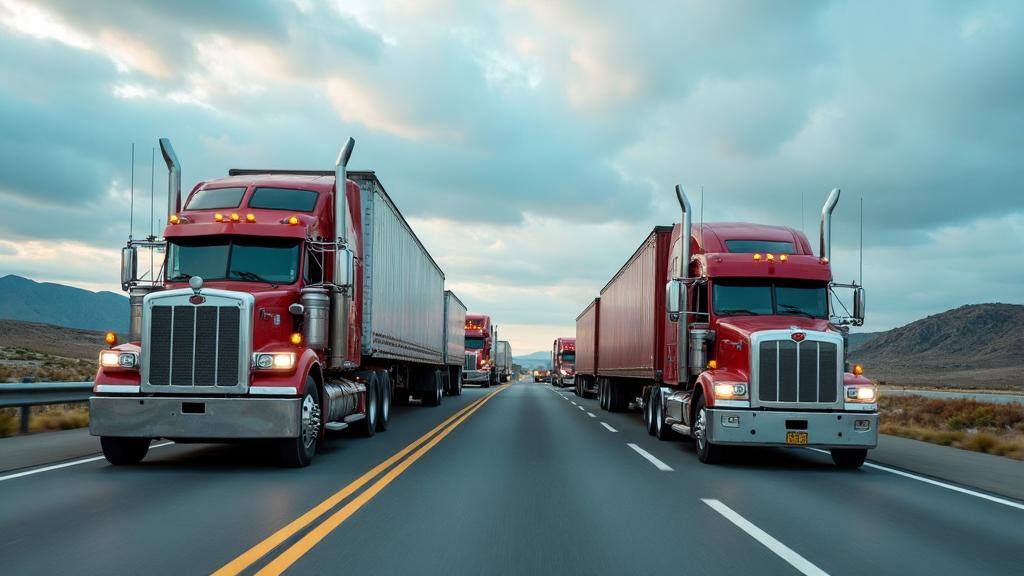
US–Canada Freight ·
US–Canada Freight Is Still Massive—Here's a Simple Playbook to Reduce Border Dwell Time
BTS data shows how big transborder freight remains. Use this 3PL + customs broker playbook to cut dwell time and detention.
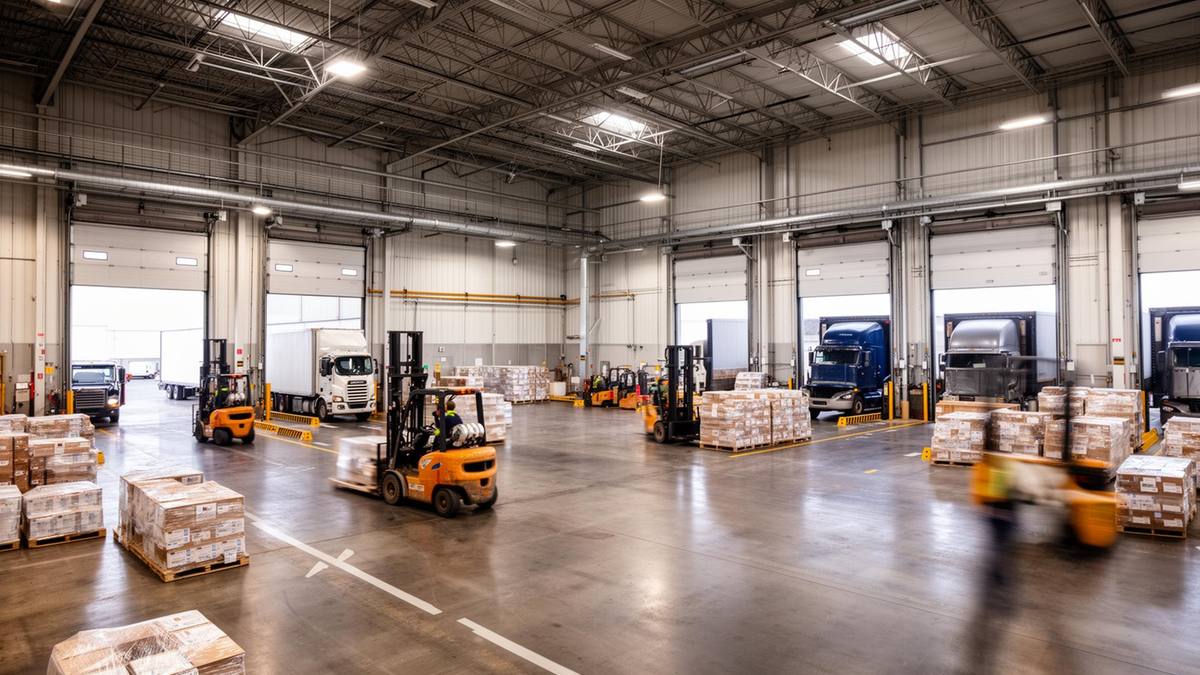
Emergency Freight ·
How Cross Dock Warehouses Help Prevent Supply Chain Delays: Speed, Flexibility, and Strategic Positioning
Cross-dock warehouses are the supply chain's safety valve — preventing small delays from cascading into costly disruptions. Here's how they work.
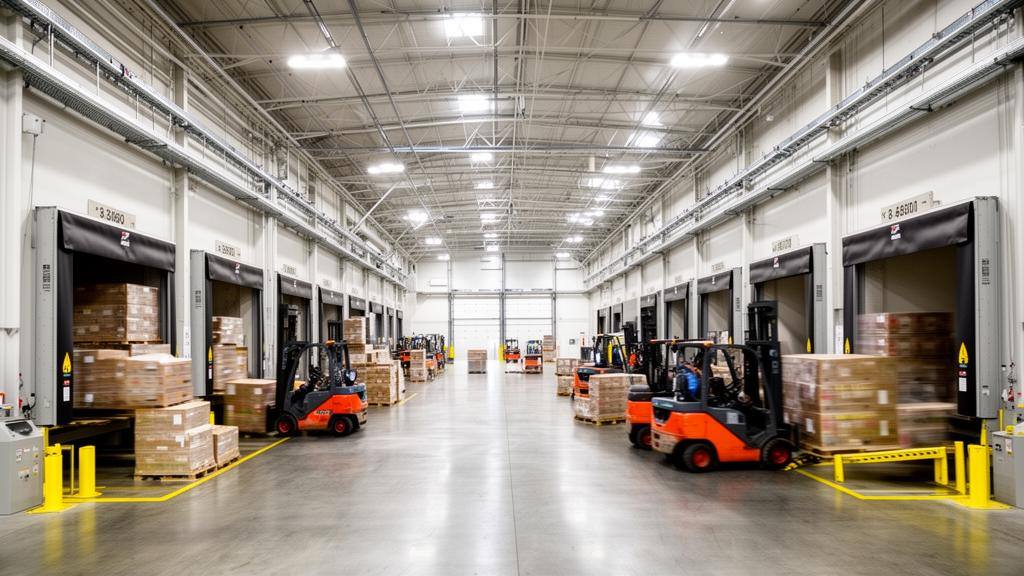
Emergency Freight ·
How Cross Dock Warehouses Solve Freight Emergencies: Speed, Flexibility, and Zero Wasted Time
When freight emergencies strike, cross-dock warehouses provide the speed and flexibility brokers need. Here's how they work and when to use them.