
When Drivers Run Out of Hours: How Freight Staging Prevents HOS Violations and Keeps Loads Moving
When a driver's HOS clock runs out near Toledo, freight staging provides a compliant solution that keeps loads safe and delivery schedules intact.
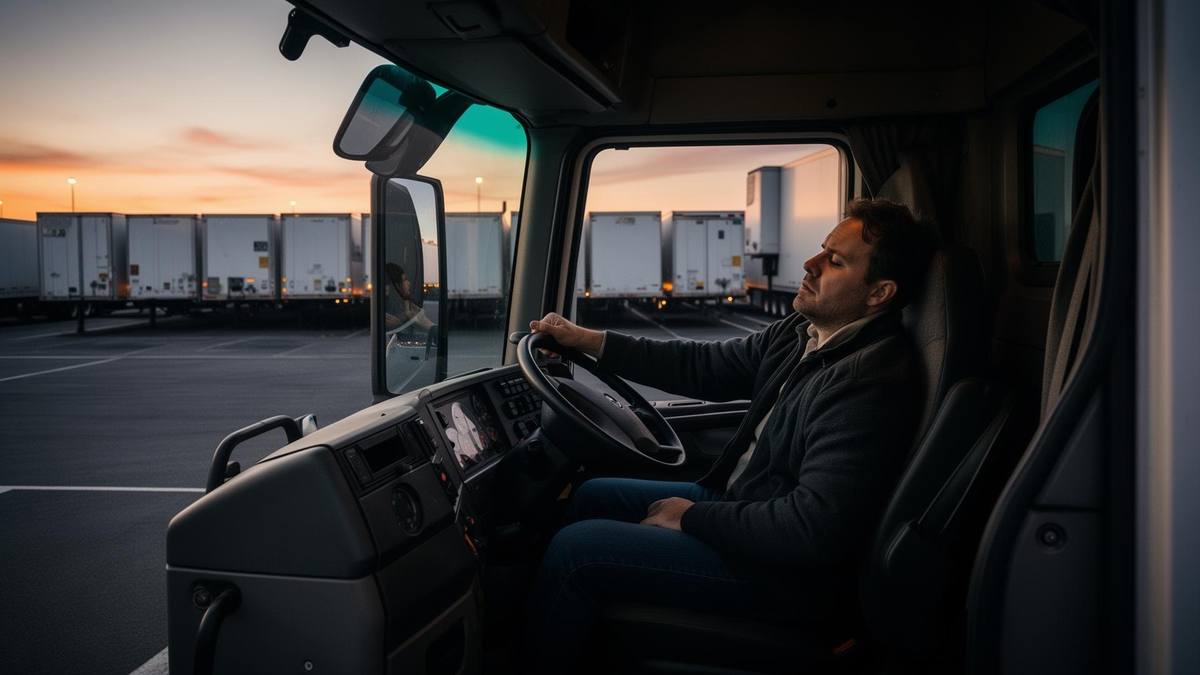
Hours of Service (HOS) regulations exist for a critical reason — driver safety. But for freight brokers, carriers, and shippers, a driver running out of hours at the wrong time and place creates a logistics emergency that can cascade into missed deliveries, detention charges, and customer service failures.
The good news: with proper planning and access to regional staging facilities, HOS-related freight delays are entirely manageable.
Understanding HOS Regulations
The FMCSA’s Hours of Service rules govern how long commercial motor vehicle drivers can operate before required rest:
- 11-Hour Driving Limit — maximum driving time after 10 consecutive hours off duty
- 14-Hour Window — driving must occur within 14 hours of coming on duty
- 30-Minute Break — required after 8 cumulative hours of driving
- 60/70-Hour Limit — maximum on-duty hours in 7/8 consecutive days
- 34-Hour Restart — resets the weekly limit with two overnight periods
These rules are tracked electronically via ELDs (Electronic Logging Devices), making compliance mandatory and violations immediately detectable.
What Happens When a Driver Runs Out of Hours
When a driver’s HOS clock expires, the consequences are immediate:
- The driver cannot legally continue driving — ELD will flag any movement
- The load is stranded wherever the driver stops — truck stop, rest area, or roadside
- The delivery appointment is likely missed — triggering rescheduling and potential chargebacks
- The freight is unsecured — sitting in a truck stop parking lot overnight with no monitoring
- The broker/carrier faces costs — detention, layover, driver pay, and customer penalties
The worst outcome: a driver pushes through fatigue to meet a deadline, creating a genuine safety hazard. HOS regulations exist to prevent this, but the logistics industry needs operational solutions that keep freight safe while keeping drivers legal.
The Staging Solution: Drop, Rest, Resume
The most effective approach to HOS management on long routes is to build staging points into the transit plan:
Proactive Staging (Planned)
For routes where HOS limits predictably expire near certain markets:
- Identify staging facilities along the route corridor
- Pre-arrange dock access — even a simple call-ahead reservation
- Driver drops the trailer at the staging facility’s yard
- Driver takes required rest — either in their cab or at nearby lodging
- Driver resumes the next morning with a fresh HOS clock
Reactive Staging (Emergency)
When HOS limits are reached unexpectedly due to delays:
- Driver contacts dispatch — reports remaining drive time
- Dispatch locates nearest staging facility — prioritize security and dock access
- Driver diverts to staging facility and drops the trailer
- Freight is optionally unloaded to free the trailer for the driver’s next assignment
- A relay driver picks up the staged freight and completes delivery
Why a Cross-Dock Facility Beats a Truck Stop
Drivers who run out of hours typically end up at truck stops. While functional for parking, truck stops create several problems for freight:
| Factor | Truck Stop | Cross-Dock Facility |
|---|---|---|
| Security | Open lot, minimal monitoring | Gated, CCTV, fenced yard |
| Unloading | Not possible | Dock doors and forklifts available |
| Driver reassignment | Trailer must stay with driver | Freight can be transferred to new equipment |
| Freight condition | No inspection capability | Inspection, photo documentation |
| Flexibility | Park only | Stage, transfer, restack, reload |
Toledo as a HOS Staging Hub on the I-75 Corridor
Toledo’s geographic position makes it a natural HOS staging point for several major freight lanes:
- Detroit to Columbus/Cincinnati — Toledo is the midpoint on I-75
- Chicago to Cleveland/Pittsburgh — Toledo sits on the I-80/90 corridor
- Canada to Midwest — cross-border freight stages in Toledo before Midwest redistribution
For drivers approaching Toledo with limited hours remaining, our facility network provides:
- Secure drop yards and Parking Hub truck parking — gated, lit, CCTV-monitored
- Same-day dock access — unload freight if the driver needs to be reassigned
- Overnight staging — freight stays secure until morning pickup
- Reload services — a different driver or carrier picks up the staged load
- No appointment required — call ahead and we’ll have space ready
Building HOS into Your Transit Planning
The most cost-effective approach is proactive:
- Map your lanes against typical HOS limits — where do drivers predictably run low?
- Pre-identify staging facilities at those points — have contacts and rates on file
- Build staging costs into lane pricing — it’s cheaper than detention and chargebacks
- Train drivers to communicate early when hours are running low
- Coordinate with relay drivers for time-critical loads that can’t wait
How Sam’s Toledo 3PL Supports HOS Staging
Our Toledo-area facility network is built for the realities of over-the-road freight:
- Secure yard staging — drop a trailer in our gated, monitored yard
- Dock access — unload and stage freight indoors if the trailer needs to move
- Driver amenities nearby — restaurants, fuel, and lodging within minutes
- Relay coordination — we facilitate handoffs between drivers and carriers
- Flexible terms — pay per use, no long-term commitment
- After-hours emergency support — because HOS doesn’t run on business hours
When your driver’s clock runs out near Toledo, we keep the freight safe and the delivery on track.
FAQ
What happens when a truck driver runs out of hours?
When a driver's HOS clock expires, they cannot legally continue driving. The load is stranded until the driver completes required rest. Without a staging facility, freight sits unsecured at a truck stop.
How does freight staging help with HOS compliance?
Staging facilities provide a secure location for drivers to drop trailers, unload freight if needed, and take required rest. The freight stays protected while the driver resets their clock or a relay driver takes over.
Why is a cross-dock facility better than a truck stop for HOS staging?
Cross-dock facilities offer gated security, CCTV monitoring, the ability to unload freight, transfer to new equipment, and inspect freight condition — none of which are available at a typical truck stop.
Can Toledo 3PL accommodate overnight trailer staging?
Yes. Our 10+ acre secure yard is gated, lit, and CCTV-monitored for overnight trailer staging. Drivers can drop and rest, and we coordinate morning pickups or relay driver handoffs.
Related reading
Emergency Freight ·
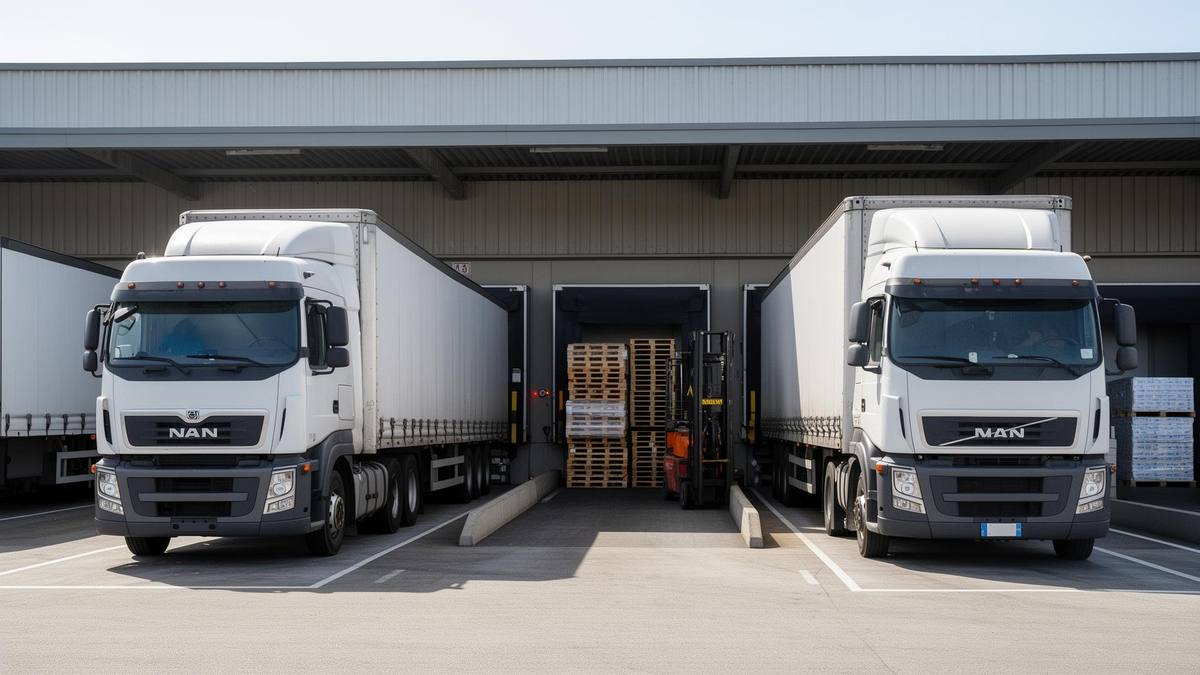
Trailer to Trailer Freight Transfers Explained: How Cross-Dock Warehouses Keep Loads Moving
Trailer-to-trailer freight transfers are one of the most common cross-dock operations. Here's how they work, when they're needed, and what to look for in a transfer facility.
Emergency Freight ·
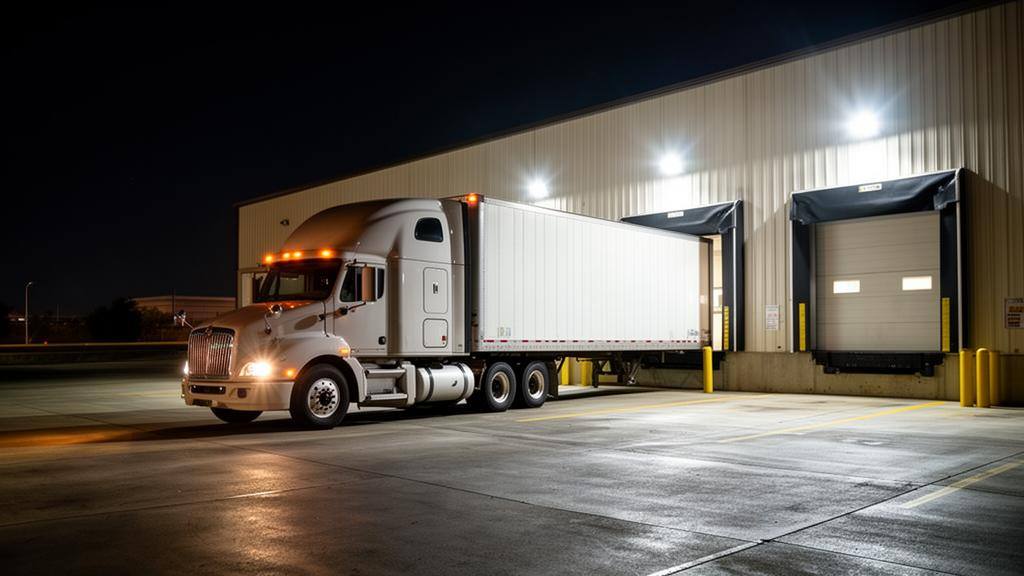
What Happens When a Truck Misses a Delivery Window? A Freight Broker's Recovery Playbook
A missed delivery window can cascade into detention fees, chargebacks, and lost accounts. Here's a step-by-step recovery plan using regional 3PL staging.
Emergency Freight ·
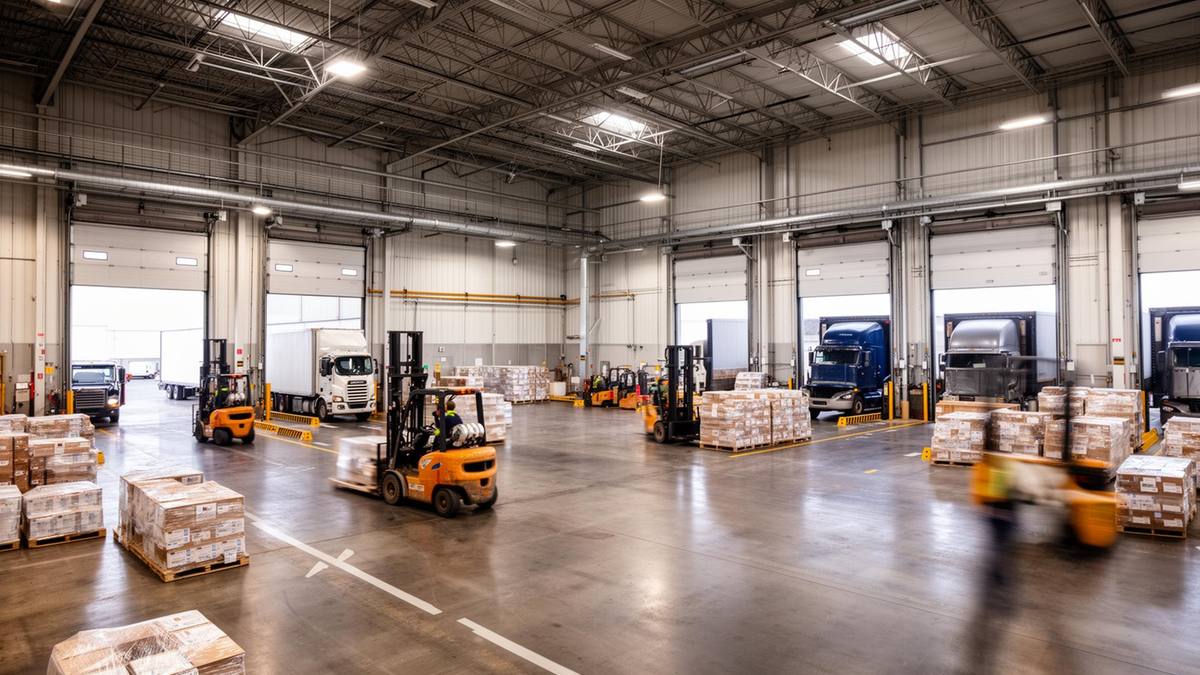
How Cross Dock Warehouses Help Prevent Supply Chain Delays: Speed, Flexibility, and Strategic Positioning
Cross-dock warehouses are the supply chain's safety valve — preventing small delays from cascading into costly disruptions. Here's how they work.