
What Happens When a Truck Misses a Delivery Window? A Freight Broker's Recovery Playbook
A missed delivery window can cascade into detention fees, chargebacks, and lost accounts. Here's a step-by-step recovery plan using regional 3PL staging.
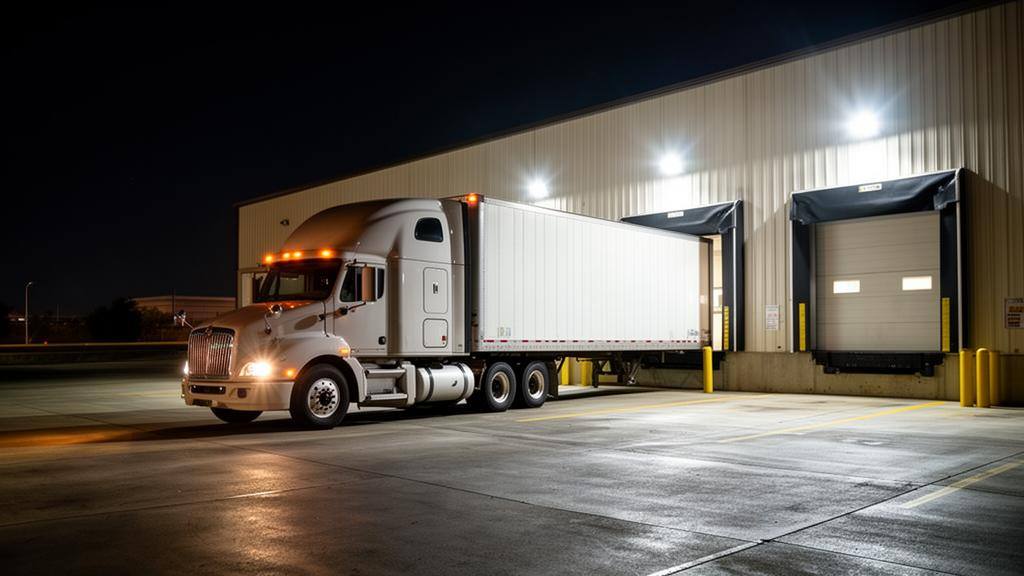
A missed delivery window is one of the most stressful events in freight logistics. Whether it’s caused by traffic, mechanical breakdown, weather, or a scheduling error, the consequences are immediate: detention charges, appointment rescheduling fees, potential chargebacks, and damaged shipper relationships.
For freight brokers, a missed window isn’t just an inconvenience—it can mean the difference between keeping an account and losing it. Here’s what actually happens when a truck misses its window, and what you can do about it.
The Cascade Effect of a Missed Window
When a truck arrives late to a receiving facility, the problems multiply quickly:
- Detention charges begin accruing, often at $50–100+/hour after a 2-hour free window
- The receiver may refuse the load entirely, forcing the driver to find alternative staging
- Downstream appointments at the next stop are now at risk
- The shipper gets notified, triggering service-level penalty discussions
- Driver HOS (Hours of Service) may expire before the next available window, adding another day of delay
In a tight freight market, one missed window can disrupt an entire week’s routing plan.
Step 1: Assess the Situation Immediately
The moment you know a delivery window will be missed, act fast:
- Contact the receiver — explain the situation and request the next available appointment
- Contact the shipper — transparency prevents surprise chargebacks
- Check driver HOS — determine if the driver can wait or needs to park and restart
- Identify nearby staging options — this is where a regional 3PL becomes critical
The worst response is silence. Receivers and shippers can work with honest communication; they can’t work with surprises.
Step 2: Find Emergency Staging
If the receiver won’t accept the load until the next day (or later), you need a place to put it. Options:
- Truck stop parking — cheap but offers zero security, no unloading capability, and no flexibility
- Drop yard — better, but most are full or require advance reservation
- Regional 3PL warehouse — the best option for true recovery
A 3PL with same-day dock access can:
- Unload the trailer so the driver can be reassigned
- Stage the freight safely until the next delivery window
- Reload onto a different carrier if needed
- Inspect for damage if the load has been sitting in extreme temperatures
Step 3: Communicate the Recovery Plan
Once you have staging secured, communicate a clear recovery plan to all parties:
- Shipper: “Load is staged at [facility], scheduled for redelivery [date/time]”
- Receiver: “Confirmed appointment at [time], load arriving from [staging location]”
- Driver/Carrier: “Unload at [3PL], BOL and instructions provided”
- Your team: Update TMS, note the incident, track costs
Step 4: Execute Redelivery
The redelivery itself needs to be flawless—you don’t get a third chance:
- Confirm the appointment 24 hours in advance
- Verify load integrity at the staging facility before dispatch
- Dispatch with buffer time — arrive early, not just on time
- Have backup contact numbers for the receiver’s dock team
Step 5: Post-Incident Review
After the dust settles, review what went wrong:
- Was the original appointment realistic given transit time?
- Did the carrier have adequate route planning?
- Could earlier communication have prevented the refusal?
- Is there a pattern with specific lanes or receivers?
Use this data to build better operating procedures and prevent repeat incidents.
The Cost of NOT Having a Staging Plan
Brokers who don’t have a regional staging option face significantly higher costs:
- Extended detention: $500–2,000+ per incident
- Driver reassignment fees: $300–800
- Missed delivery chargebacks: $250–1,500 depending on the account
- Account loss: priceless
Compare that to the cost of staging at a 3PL (typically $150–400 for overnight staging with reload), and the math is clear.
Why Toledo Is an Ideal Emergency Staging Market
Toledo sits at the intersection of I-75 and I-80/90, making it reachable from most Great Lakes freight lanes within hours:
- 45 minutes from Detroit — the region’s largest freight market
- 2 hours from Columbus — Ohio’s distribution hub
- 3 hours from Cleveland, Indianapolis, and Fort Wayne
- Same-day dock access — no appointment needed for emergency staging
- Trailer drop yard available — park and go, come back when ready
How Sam’s Toledo 3PL Supports Freight Recovery
We understand that missed windows happen—and when they do, speed matters. Our facility network offers:
- Same-day unloading with no appointment required for emergencies
- Secure indoor staging until redelivery
- Load inspection and photo documentation
- Reload onto new carriers if the original driver is unavailable
- Flexible billing — pay for what you use, no minimums on emergency staging
Whether you’re a broker managing a one-time emergency or a shipper building a contingency plan, we’re equipped to keep your freight moving.
FAQ
What should I do immediately when a truck misses a delivery window?
Contact the receiver to request the next available appointment, notify the shipper, check the driver's HOS status, and identify nearby staging options like a regional 3PL warehouse.
How much does a missed delivery window typically cost?
Total costs can range from $500 to $3,000+ when you factor in detention charges ($50–100+/hour), rescheduling fees, potential chargebacks ($250–1,500), and driver reassignment costs.
Can a 3PL warehouse accept emergency freight without an appointment?
Yes. Sam's Toledo 3PL offers same-day dock access for emergency staging without requiring advance appointments, including unloading, secure storage, and reload services.
How far is Toledo from major Midwest freight markets?
Toledo is 45 minutes from Detroit, 2 hours from Columbus, and 3 hours from Cleveland, Indianapolis, and Fort Wayne—making it accessible for emergency staging from most Great Lakes freight lanes.
Related reading
Emergency Freight ·
How Cross Dock Warehouses Solve Freight Emergencies: Speed, Flexibility, and Zero Wasted Time
When freight emergencies strike, cross-dock warehouses provide the speed and flexibility brokers need. Here's how they work and when to use them.
Emergency Freight ·
When Drivers Run Out of Hours: How Freight Staging Prevents HOS Violations and Keeps Loads Moving
When a driver's HOS clock runs out near Toledo, freight staging provides a compliant solution that keeps loads safe and delivery schedules intact.
Emergency Freight ·
How Freight Brokers Handle Missed Deliveries: Emergency Staging and Recovery Strategies
When deliveries fail, freight brokers need fast recovery options. Here's how digital brokerages use cross-dock facilities for emergency staging and load transfers.