
How Freight Brokers Handle Missed Deliveries: Emergency Staging and Recovery Strategies
When deliveries fail, freight brokers need fast recovery options. Here's how digital brokerages use cross-dock facilities for emergency staging and load transfers.
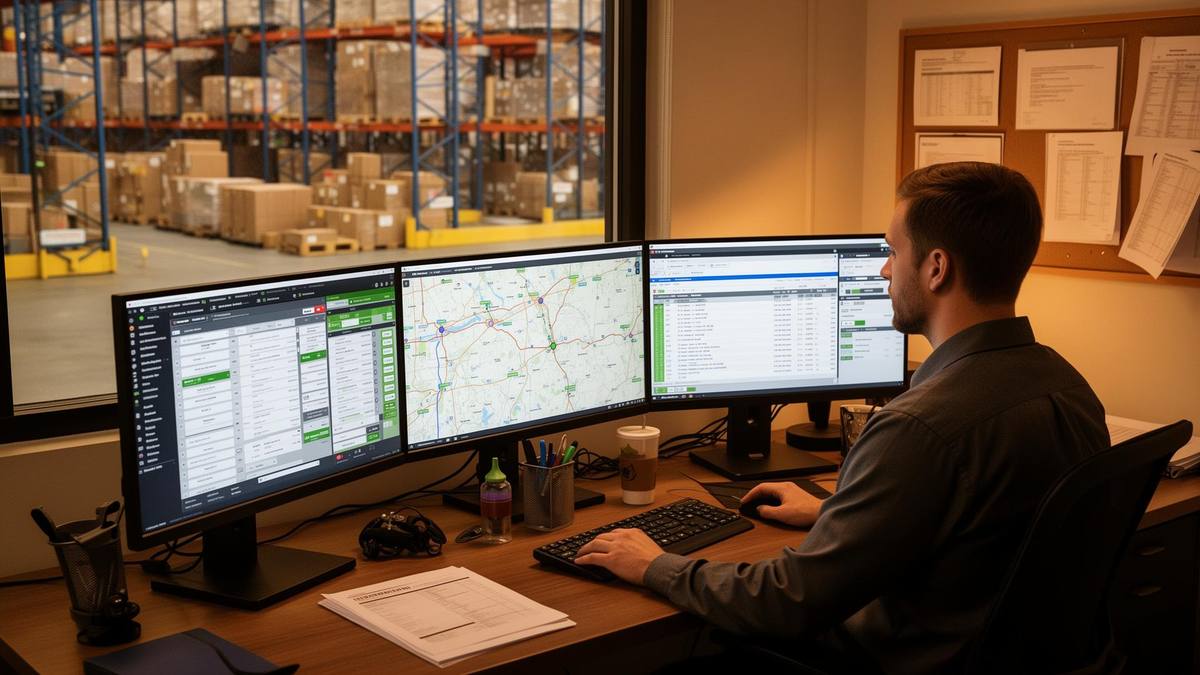
Freight brokers live in a world where a single missed delivery can cascade into thousands of dollars in costs and a damaged customer relationship. Whether you’re operating through a digital freight platform like Uber Freight, Loadsmart, or RXO, or managing loads through a traditional brokerage, the playbook for handling missed deliveries determines whether you keep the account or lose it.
Why Missed Deliveries Happen More Than You Think
The reality of over-the-road freight is that missed deliveries are not rare events — they’re a regular operational challenge:
- Traffic and weather delays push arrival times past receiving windows
- Mechanical breakdowns strand loads mid-route
- Driver HOS violations make it illegal to continue driving
- Receiver scheduling changes close the window before the truck arrives
- Documentation errors cause receivers to refuse loads at the dock
For brokers managing dozens or hundreds of loads daily, even a 2-3% missed delivery rate generates multiple recovery situations per week.
The Broker’s Emergency Staging Playbook
When a delivery fails, speed and communication determine the outcome. Here’s the step-by-step approach that experienced brokers follow:
Step 1: Immediate Assessment
The moment a missed delivery is confirmed:
- Contact the receiver — determine the next available appointment window
- Check driver HOS — can the driver wait, or do they need to park and restart their clock?
- Notify the shipper — transparency prevents surprise chargebacks
- Locate staging options — identify the nearest cross-dock or staging facility
Step 2: Secure Emergency Staging
The difference between a $200 staging cost and a $2,000+ cascading failure is having a facility that can accept freight on short notice. Key requirements:
- No-appointment dock access — emergencies don’t wait for scheduling
- Same-day unloading capability — free the driver to be reassigned
- Secure indoor staging — protect freight until redelivery
- Photo documentation — establish freight condition for claims protection
Step 3: Coordinate Redelivery
Once freight is staged, the recovery plan must be airtight:
- Confirm the new appointment with the receiver 24 hours in advance
- Verify freight condition at the staging facility before dispatch
- Dispatch with buffer time — arrive early, not just on time
- Have backup contact numbers for the receiver’s dock team
What Digital Freight Platforms Need from Cross-Dock Facilities
Digital brokerages like Uber Freight, Loadsmart, and RXO operate at scale, which means their cross-dock requirements are specific:
- API-friendly communication — real-time status updates via email or TMS integration
- Photo documentation — standardized freight condition photos for digital records
- Flexible billing — per-load or per-pallet pricing without long-term commitments
- Geographic coverage — facilities positioned on major freight corridors
- Rapid turnaround — 2-4 hour load/unload cycles for emergency staging
The Cost Math: Staging vs. Doing Nothing
Brokers sometimes hesitate on staging costs. Here’s the reality:
| Scenario | Cost |
|---|---|
| Emergency staging at a cross-dock | $150–400 |
| Extended detention at receiver | $500–2,000+ |
| Driver layover (overnight) | $300–600 |
| Customer chargeback | $250–1,500 |
| Account loss | Incalculable |
The ROI on emergency staging is almost always positive, especially when you factor in relationship preservation and avoiding detention snowball effects.
Why Toledo Is a Strategic Staging Market for Brokers
Toledo’s position at the I-75/I-80 junction makes it accessible from the entire Great Lakes freight network:
- 45 minutes from Detroit — the region’s largest freight market
- 2 hours from Columbus — Ohio’s distribution hub
- 3 hours from Cleveland, Indianapolis, and Fort Wayne
- Same-day dock access — no appointment needed for emergency staging
- Cross dock Toledo Ohio facility network with dock-high doors and secure drop yards
How Sam’s Toledo 3PL Works with Freight Brokers
We understand that when a broker calls, every minute counts. Our emergency staging process:
- Call-ahead dock access — tell us what’s coming, we’ll have a door open
- Same-day unloading — free your driver within hours, not days
- Photo documentation — freight condition photos sent to your team
- BOL updates — new bills of lading for load transfers between carriers
- Reload coordination — we load the next carrier when they arrive
- No minimums — handle one pallet or a full truckload
Whether you’re a digital brokerage managing loads at scale or a traditional broker handling a one-time emergency, our Toledo cross dock warehouse is built for exactly these situations.
FAQ
How do freight brokers handle missed deliveries?
Experienced brokers follow a three-step process: immediately assess the situation and contact all parties, secure emergency staging at a nearby cross-dock facility, and coordinate a flawless redelivery with confirmed appointments and buffer time.
What do digital freight platforms need from cross-dock facilities?
Digital brokerages like Uber Freight and Loadsmart need real-time communication, photo documentation, flexible per-load billing, rapid 2-4 hour turnarounds, and facilities on major freight corridors.
How much does emergency freight staging cost vs. detention?
Emergency staging typically costs $150-400, while detention charges can reach $500-2,000+, plus potential chargebacks of $250-1,500. The staging option almost always delivers positive ROI.
Can Sam's Toledo 3PL accept emergency freight without an appointment?
Yes. We provide same-day dock access for emergency staging with a simple call-ahead. No appointment scheduling required — just tell us what's coming and we'll have a door ready.
Related reading
Emergency Freight ·
What Happens When a Truck Misses a Delivery Window? A Freight Broker's Recovery Playbook
A missed delivery window can cascade into detention fees, chargebacks, and lost accounts. Here's a step-by-step recovery plan using regional 3PL staging.
Emergency Freight ·
How Cross Dock Warehouses Help Prevent Supply Chain Delays: Speed, Flexibility, and Strategic Positioning
Cross-dock warehouses are the supply chain's safety valve — preventing small delays from cascading into costly disruptions. Here's how they work.
Emergency Freight ·
How Cross Dock Warehouses Solve Freight Emergencies: Speed, Flexibility, and Zero Wasted Time
When freight emergencies strike, cross-dock warehouses provide the speed and flexibility brokers need. Here's how they work and when to use them.