
Onshoring Is Forcing a New Reality: Overflow Storage and Rapid Cross-Dock for Great Lakes Manufacturers
As manufacturers rebalance supply chains, overflow storage and flexible cross-dock become essential. Here's how Toledo supports it.
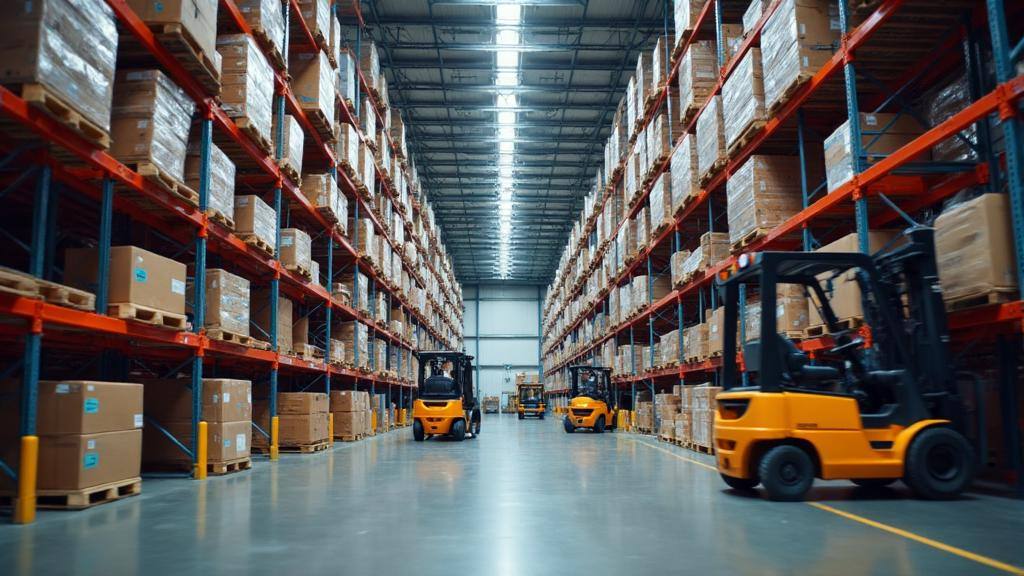
The onshoring conversation has moved from boardroom speculation to operational reality. According to the Reshoring Initiative, reshoring and FDI job announcements have accelerated significantly, driven by a combination of tariff uncertainty, supply chain disruption experience, and policy incentives.
For Great Lakes manufacturers—particularly in Ohio, Michigan, and Indiana—this creates a specific, practical challenge: where do you put the inventory?
The Onshoring Inventory Problem
When manufacturers reshore production or diversify suppliers, they often face:
- Longer lead times during transition — dual-sourcing means carrying more buffer stock
- Unpredictable demand patterns — new production lines need inventory flexibility
- Facility constraints — existing plant space is optimized for production, not storage
- Capital allocation tension — building new warehouse space competes with production investment
The result: manufacturers need flexible, short-term overflow storage that scales with their transition timeline, not a 5-year lease commitment.
Why “Inventory Front-Loading” Is Increasing
Trade policy uncertainty has created a specific behavior pattern: inventory front-loading. Companies are pulling forward purchases to get ahead of potential tariff increases, creating temporary inventory surges that exceed existing storage capacity.
This isn’t speculation—industry surveys consistently show that manufacturers cite trade/tariff uncertainty as a top concern, and inventory strategies are shifting accordingly.
Cross-Dock vs. Short-Term Storage: When to Use Each
Not all overflow inventory needs the same solution:
Use Cross-Dock When:
- Goods are inbound from multiple origins and need consolidation before delivery
- You need to break bulk and redistribute to regional customers
- Transit speed matters more than storage duration
- You’re managing a “just-in-time” replenishment cycle
Use Short-Term Storage When:
- You’re building buffer stock ahead of a known demand event
- Production outpaces current shipping capacity
- You need to stage inventory during a facility expansion or renovation
- Seasonal demand requires temporary capacity expansion
Use Both When:
- You’re managing a complex supply chain transition (onshoring + redistribution)
- Multiple product lines have different velocity profiles
- You need flexibility to shift between storage and throughput as conditions change
The Overflow Storage Calculator Concept
For planners estimating their needs:
- Pallet positions needed = (weekly inbound volume × weeks of buffer) – existing capacity
- Duration = transition timeline + 4-week safety margin
- Cross-dock throughput = daily inbound loads × average handling time per load
Example: A manufacturer onshoring a product line expects 200 pallets/week inbound for 12 weeks during transition, with existing capacity for 400 pallets. They need approximately 2,000 pallet positions of overflow storage plus cross-dock capacity for redistribution.
For Researchers: Key Terms and Definitions
- Buffer stock: Inventory held beyond normal requirements to protect against supply chain variability
- Inventory front-loading: Accelerating purchases ahead of anticipated cost increases (tariffs, price increases)
- Nearshoring: Moving production to nearby countries (e.g., Mexico) vs. onshoring (domestic production)
- Regional value content (RVC): The percentage of a product’s value that originates within the USMCA region
Why Toledo Is the Right Market for Great Lakes Overflow
Toledo’s location on the I-75/I-80 intersection makes it a natural distribution hub:
- Reaches 60%+ of the US and Canadian population within one day’s drive
- Lower cost per square foot than Detroit, Cleveland, or Columbus warehouse markets
- Flexible terms — month-to-month or project-based, no long-term lease required
- Cross-dock capability — handle inbound consolidation and outbound redistribution simultaneously
How Sam’s Toledo 3PL Supports Onshoring Transitions
We work with manufacturers who need overflow capacity without the overhead of a new facility. Our services include:
- Flexible pallet storage — scale up or down monthly
- Cross-dock operations — break bulk, consolidate, and redistribute
- Kitting and light assembly — value-added services on-site
- Inventory management — real-time visibility and reporting
No long-term lease. No capital investment. Just the space and handling you need, when you need it.
FAQ
What is overflow storage and when do manufacturers need it?
Overflow storage is temporary warehouse capacity used when a manufacturer's existing facility can't handle current inventory volumes—common during onshoring transitions, seasonal surges, or inventory front-loading ahead of tariff changes.
What's the difference between cross-dock and short-term storage?
Cross-dock is for rapid throughput—goods arrive, get consolidated or broken down, and ship out quickly. Short-term storage holds inventory for days to weeks before redistribution. Many manufacturers need both simultaneously.
How much overflow storage does a typical onshoring transition need?
It varies by volume, but a common formula is: (weekly inbound volume × weeks of buffer) minus existing capacity. A typical manufacturer might need 1,000–5,000 pallet positions for 3–6 months.
Does Toledo 3PL require long-term leases?
No. Sam's Toledo 3PL offers flexible, month-to-month or project-based terms specifically designed for manufacturers who need temporary overflow capacity.
What area does Toledo warehouse distribution reach?
Toledo sits at the I-75/I-80 intersection and reaches 60%+ of the US and Canadian population within one day's drive, making it an efficient Midwest distribution hub.
Related reading
Emergency Freight ·
How Cross Dock Warehouses Help Prevent Supply Chain Delays: Speed, Flexibility, and Strategic Positioning
Cross-dock warehouses are the supply chain's safety valve — preventing small delays from cascading into costly disruptions. Here's how they work.
Emergency Freight ·
How Cross Dock Warehouses Solve Freight Emergencies: Speed, Flexibility, and Zero Wasted Time
When freight emergencies strike, cross-dock warehouses provide the speed and flexibility brokers need. Here's how they work and when to use them.

Detroit Freight ·
Detroit Freight Overflow: Why Shippers Use Toledo Warehouses Instead of Paying Metro Detroit Premiums
Metro Detroit warehouse space is expensive and scarce. Smart shippers are using Toledo's I-75 corridor for overflow storage at 15–25% lower rates.